
The Allure of Gambling: Understanding Motivation
The world of casino games is a tapestry woven with the threads of excitement, chance, and risk. One of the primary motivations for players is the thrill of uncertainty. The anticipation of a win can be intoxicating, creating a rush that keeps players on the edge of their seats. This feeling is often enhanced by the colorful lights and sounds of the casino environment, which are purposefully designed to immerse players in a state of heightened excitement. Interestingly, many find that crypto sports betting sites bring an additional layer of thrill, enriching the overall gaming experience. The brain’s reward system is activated during these moments, making the experience not just enjoyable but addictive.
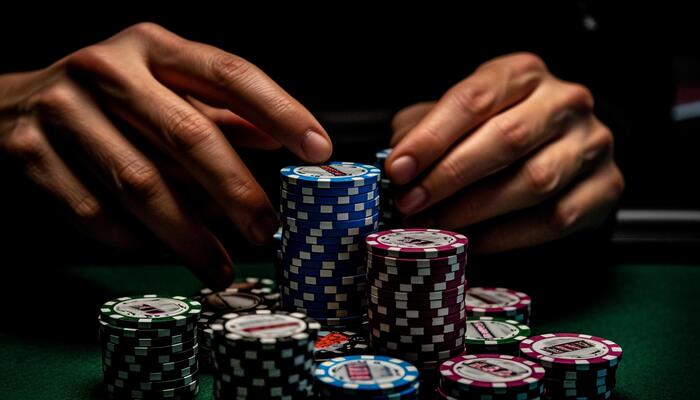
Moreover, the social aspect of gambling cannot be overlooked. Many players enjoy the camaraderie found in casinos, whether it’s sharing a table with friends or meeting new people during gameplay. This interaction adds an additional layer of enjoyment, fostering a sense of belonging that can be particularly appealing. The combination of social connection and the thrill of chance often leads to repeat visits, as players seek to recapture that exhilarating experience.
The Role of Cognitive Biases in Gambling
Cognitive biases play a significant role in how players perceive their gambling experiences. One common bias is the illusion of control, where players believe they can influence the outcome of a game, despite the inherent randomness of casino games. This misconception fuels their desire to play, as they think their skill or strategy will lead to success. Such beliefs can create a cycle where players continue to gamble, convinced that they just need one more try to secure their win. Additionally, the dangerous allure of gaming and gambling can amplify these biases, leading to further risky behaviors.
Furthermore, the concept of near misses can further entrench players in this cycle of gambling. When a player comes close to winning—such as landing two out of three required symbols on a slot machine—they often feel as though success is just within reach. This can lead to increased play as they chase that elusive victory, reinforcing their commitment to the game and leading them to return repeatedly.
The Emotional Factors Influencing Gambling Behavior
Emotion plays a critical role in gambling behavior, often driving players to the casino despite the risks involved. For some, gambling serves as an escape from daily life, offering a brief respite from stress and routine. The euphoric feelings associated with winning can momentarily overshadow the potential losses, making the experience highly appealing. This emotional escape is particularly potent for individuals seeking distraction or relief from personal challenges.
Furthermore, the ups and downs of gambling can elicit a wide range of emotions, which contribute to a complicated relationship with the game. Players may experience euphoria after a win, but losses can lead to frustration and disappointment. This emotional rollercoaster can create a compelling drive to keep playing, as players seek to restore their previous highs. The complexity of these emotional dynamics underscores the psychological grip that casino games can have on individuals.
The Impact of Environment on Player Behavior
The casino environment is meticulously crafted to enhance the gambling experience, influencing player behavior in various ways. The layout, lighting, and sounds are all designed to create an engaging atmosphere that encourages players to stay longer and play more. Bright lights and enticing sounds can lead to sensory overload, making it easy for players to lose track of time and money. This immersive environment can further entrench players in the gaming experience, making it challenging to walk away.
Moreover, the presence of other players can create a contagious energy that compels individuals to participate. The excitement and cheers from nearby tables can amplify a player’s own emotional engagement with the game, fostering a sense of collective thrill. This social environment taps into fundamental human desires for connection and excitement, making the casino a compelling destination for social and psychological gratification.

Conclusion: Understanding the Appeal of Casino Games
In conclusion, the psychology behind casino games is complex and multifaceted, driven by a combination of emotional, cognitive, and environmental factors. The thrill of chance, the social interaction, the cognitive biases at play, and the carefully crafted casino atmosphere all contribute to a compelling experience that keeps players returning for more. Understanding these psychological underpinnings can help illuminate the reasons behind the allure of gambling and the persistence of this age-old pastime.
This intricate relationship between psychology and gambling is essential for anyone involved in the industry, whether for better customer engagement or responsible gaming practices. As the landscape of gambling continues to evolve, an awareness of these psychological factors will remain crucial in shaping both player experiences and industry standards.